Quality lies in the details...
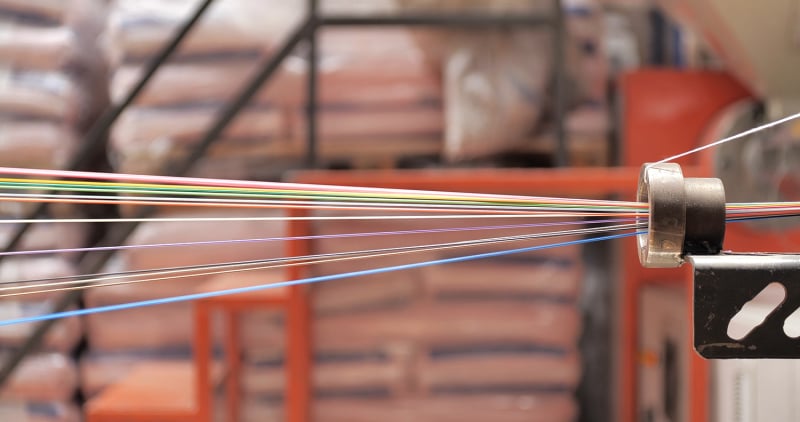
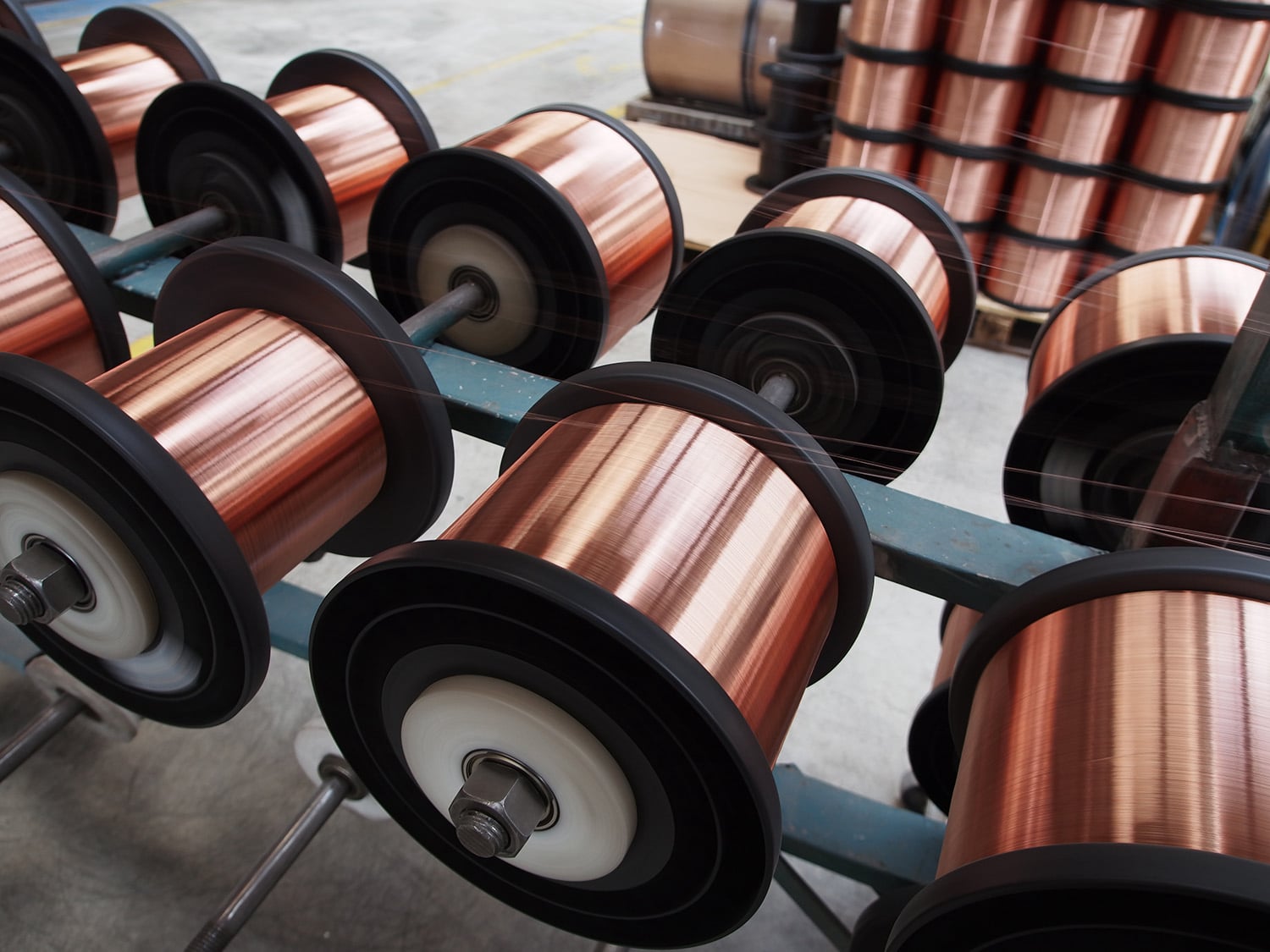
We design our products with the future in mind, not just the present, and offer products that will last for many years.
World standards for the elevator and cable industry.
A cable is an electrical and electronic transmission element consisting of:
One or more conductors (usually copper or aluminum),
Insulating material,
Shielding (armor) if necessary,
Outer protective sheath
layers, used to transmit electrical energy, signals, or data safely and uninterruptedly from one point to another.
Cables are classified according to their intended use as energy, control, communication, and special application cables.
General Standards and Specifications a Cable Must Meet
1. Electrical Standards
Rated voltage (U₀/U) must be specified
(e.g., 300/500 V, 450/750 V, 0.6/1 kV)
Conductor resistance must be within the limits given in the standards
Current carrying capacity must be suitable for the cross-section and operating conditions
Insulation resistance and dielectric strength must be at a sufficient level
Must withstand short circuits
2. Mechanical Standards
Flexibility or rigidity suitable for the application
Resistance to bending, tension and torsion
Sufficient mechanical strength against external influences (crushing, friction)
Suitable structure for fixed or mobile installations
3. Thermal Standards
Permissible continuous operating temperature
(PVC: generally 70 °C, XLPE: 90 °C)
Resistance to short-term overheating
Maintaining insulation integrity at low and high ambient temperatures
4. Fire and Safety Standards
Non-flame propagation (Flame Retardant) Feature
Low Smoke Density (LSZH – Halogen-Free Cables)
No Toxic Gas Release During Burning
Compliance with Human and Building Safety
5. Chemical and Environmental Resistance
Resistance to oil, moisture, water, acids, and chemicals (depending on the application area)
Resistance to UV rays (for outdoor cables)
Long-lasting and aging-resistant material
6. Electromagnetic Compatibility (EMC)
Non-electromagnetic interference (EMI)
Unaffected by external interference
Shielded structure when required
7. Compliance with Standards and Regulations
A cable must comply with one or more of the following standards, depending on its intended use and production:
TS / EN / IEC (Turkey and Europe)
VDE (Germany)
IEC 60227 / 60228 / 60332
CE conformity
RoHS (hazardous substances)
CPR (Construction Products Regulation – Fire Class)
8. Marking and Identification
On the cable:
Manufacturer name
Cable type
Cross-section and number of cores
Standard number
Year of manufacture
Must be marked in an indelible and legible manner.
A cable must be:
Electrically safe, mechanically resistant, suitable for thermal and environmental conditions, fire-safe, and manufactured in accordance with relevant national/international standards.
Function: To absorb the impact when the cabin or counterweight hits the bottom point, and to safely reset the speed to zero.
Requirements:
Must comply with EN 81-20.
Must be hydraulically pressurized, with impact absorption capacity calculated according to cabin speed and load capacity.
Must be CE certified.
Must undergo leak testing throughout its service life.
Function: To securely and safely connect elevator ropes to the drum/pulley.
Requirements:
Must comply with EN 13411 (rope termination standard).
Must have a minimum safety factor of 6.
Must be made of corrosion-resistant galvanized steel or equivalent material.
Function: To balance the weight of the cable and reduce vibration while the cabin and counterweight move in high-rise buildings.
Requirements:
Must comply with EN 81-20.
Sound and vibration-reducing rubber-coated chain should be preferred.
Must be securely fixed under the cabin with guides and clamps.
Function: To detect passengers/obstacles as the cabin door closes and prevent entrapment.
Requirements:
Must comply with EN 81-20 and EN 81-70 (accessibility standards).
Must be at least 180 cm high and multi-beam.
Must be CE certified and have passed EN 61000 (electromagnetic compatibility) tests.
Must have a fast response time (<50 ms).
Function:
Ensures the safe opening and closing of cabin doors and landing doors.
Prevents passenger entrapment and doors from opening during cabin movement.
Provides noiseless, vibration-free, and controlled opening/closing.
Required Features:
Compliance with standards:
EN 81-20 (safety regulations),
EN 81-70 (accessibility),
EN 81-58 (fire resistance tests).
Photocell (Light Curtain) integration: Must stop and open instantly when it detects an obstacle in front of the door.
Safety Edge: The mechanical edge should not trap the passenger if the photocell fails.
Fire resistance: Protection against fire for a specified period (e.g., 30 min or 60 min tests).
Fast and quiet operation: Vibration-free motor and belt system to increase passenger comfort.
Accessibility: The door opening time should be long enough for disabled people.
Components:
Door leaves (metal, glass, or fire-resistant material).
Door motor and drive system (brushless motor + belt or gear drive).
Control unit (control board that adjusts opening/closing speed and deceleration).
Photocell curtain (multi-beam safety barrier).
Spring and damper systems (ensures smooth closing of the door).
Tests and Controls:
Photocell test: Must stop closing immediately upon detection of an obstacle.
Closing speed test: Speed limits must not be exceeded according to EN 81-20.
Fire tests: High temperature resistance is measured according to EN 81-58.
Mechanical durability: Door opening/closing cycle test (e.g., 1 million opening/closing cycles).
Sound level measurement: Must be within an acceptable dB range for noiseless operation.

Büyükkayacıkosb Mah.
T.Ziyaeddin Akbulut Cad. No:4/1
3. Organize Sanayi Bölgesi
Selçuklu / Konya / TÜRKİYE
ELITPRO, ELITPLUS, SASSI, CORTREX are the registered trademarks of KÜÇÜK GROUP.
© Copyright 2026 Küçük Group - All Rights Reserved